High Blood Pressure Symptoms | Causes of Hypertension | Hypertension Medication
High Blood Pressure Symptoms>High Blood Pressure Tests
|
High Blood Pressure TestsBefore we look at how to take your own blood pressure and how to use a home blood pressure kit let us first recap the facts surrounding high blood pressure [hypertension]. Hypertension continues to be a serious worldwide problem. There are approximately 80 million people in the United States and 16 million in the United Kingdom suffering from hypertension. Hypertension or more commonly known as high blood pressure does not manifest itself in clearly defined visible symptoms. In fact it occurs in silence, attacking at times when you least expect it to. For this very reason it is often referred to as 'The Silent Killer'. Research has shown that about 30 per cent of people with high blood pressure are going through life totally unaware that they have this condition. There are no visible symptoms or any other type of symptom that is specific to this disease. There are numerous common symptoms such as nosebleeds, nausea, dizziness, weakness, headaches and muscle cramps that can just as easily be attributed to other common medical problems. The concern is that in many cases there are no symptoms exhibited at all. The truth is, for most people, if there are symptoms they do not appear until after the condition has gone beyond the mild stage and reached the life-threatening stage. The significance of these facts draws our attention to the fact that Hypertension is essentially a lifestyle disease. High blood pressure progresses from mild to worst depending on the lifestyle of the person afflicted and is not brought about by viral or bacterial infection as is the case with other medical problems. In view of the fact that hypertension has no symptoms medical experts are suggesting that people, especially those 35 years old and above, should have their blood pressure checked regularly.
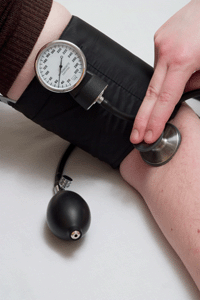
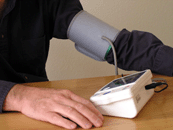
Home Blood Pressure Kit for Personal useMeasurement of blood pressure is carried out through the use of a Sphygmomanometer. Versions have been manufactured for personal and home use and the
apparatus is actually easy to use. The following procedure is a step-by-step guide describing how to check
your own blood pressure.
|
| Menu Main Articles Treatment Pregnancy issues Tests Other |


High Blood Pressure Symptoms High Blood Pressure Physical Symptoms of High Blood Pressure High Blood Pressure Diet Causes of Hypertension Can anyone suffer from high blood pressure ? Stress and High Blood Pressure High Blood Pressure in the Elderly High Blood Pressure and Salt High Blood Pressure and Weak Respiratory Muscles Natural Remedies for High Blood Pressure Healthy Llife Changes Medication for High Blood Pressure Aspirin and High Blood Pressure Hypertension Medication HRT and High Blood Pressure Preeclampsia Pregnancy Induced Hypertension Pregnancy and Chronic Hypertension High Blood Pressure Tests Latest High Blood Pressure Bulletin News Resource Directory Alternative Medicine Resources Nutrition Resources Weight Loss Resources General Health & Fitness Resources Medical Disclaimer Privacy Policy Copyright Notice Website Agreement Various Health Related Sites Contact Us
www.high-bloodpressure.com