High Blood Pressure Symptoms | Causes of Hypertension | Hypertension Medication
High Blood Pressure Symptoms>High Blood Pressure
|
High Blood Pressure - what is it?High Blood Pressure or Hypertension affects 80 million Americans and nearly half of the people in the UK between the ages of 65 and 74, and a large percentage of those between the ages of 35 and 65. One of the problems associated with high blood pressure is that you will probably not even know you have it until you happen to have your blood pressure taken during a routine physical examination. Upon diagnosis, you may wonder why you never saw it coming. Most people don’t. Only those with severe high blood pressure experience any warning signs at all. These signs can include headaches, impaired vision, and black-outs. What is blood pressure ?It is the measurement of the force that blood applies to the walls of the arteries as it flows through them carrying oxygen and nutrients to the body’s vital organs and systems. Naturally, our blood is under pressure as it rushes through our arteries. Even those with blood pressure in the normal range will experience an increase in their blood pressure during rigorous physical activity or during times of stress. It only becomes a problem when the blood continues to run high. This condition of blood pressure is known as hypertension or high blood pressure and in 95% of the cases, the cause of it is never known. However, we do know the factors that set a person up to develop hypertension. Factors influencing High Blood PressureThey are as follows: v Heredity - high blood
pressure likely to develop if it runs in your family v Obesity - those with a body mass index of 30 or more v Drinking more than 2 - 4 alcoholic drinks a day v Smoking v High cholesterol v Diabetes v Stress and anxiety v Excessive salt consumption Possible causes of High Blood PressureSometimes the cause of a person’s high blood pressure is determined, but this happens in only 5% of the cases. When a cause is found, the person is diagnosed with secondary high blood pressure [hypertension]. In most of these cases, the cause can be linked to an underlying illness such as kidney disease, adrenal gland disease, or narrowing of the aorta. Contraceptive pills, steroids, and some medications can also cause secondary high blood pressure [hypertension], though instances of this are not all that common. High Blood Pressure and the important numbersWe hear the numbers, but do we really know what they mean? Since your blood pressure numbers can help you to understand your overall health status, it is important that you keep track of it. By knowing where your numbers are right now, you can head off such serious high blood pressure complications as angina, heart attacks, stroke, kidney damage, and many others that might surprise you – like eye problems and gangrene. Medical professionals generally provide your blood pressure to you in terms of two numbers – a top one and a bottom one. For example, if your blood pressure is 120/80, they may say that you have a blood pressure of 120 over 80. Here is a definition for these numbers:
The bottom figure – this is your diastolic blood pressure. It is the pressure of your blood when the heart is relaxed in between the times when it is pumping. Your blood pressure requires monitoring when you have a systolic blood pressure of 140 or over and/or a diastolic blood pressure of 90 or over. Those with diabetes must maintain a lower blood pressure that those who don’t have the condition. Diabetics should maintain a blood pressure of less than 130/80. Monitors for measuring High Blood PressureIt is wise to monitor your blood pressure at home in addition to having it taken at your doctor’s office. This will allow you to provide your doctor with readings that have been taken over time, providing a more in depth look at your personal health condition. This will help him or her to prescribe the right hypertensive medication and treatment for your specific condition. The best blood pressure monitors are those that take your measurement from the upper arm. Those that provide readings from the wrist or finger are not as reliable. You’ll also want to make sure that the blood pressure monitor you are considering has been proven in clinical trials. Trusted name brands include those made by Omron, LifeSource, Mark of Fitness, Micro Life, and A and D Instruments. There are other brands available – the important thing is to do your research.
More articles to read...... Latest high blood pressure bulletin news High blood pressure symptoms Research material on high blood pressure provided by K. Standerline, State Registered Nurse. UK © Copyright 2006 - 2013 www.high-bloodpressure.com - high blood pressure |

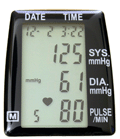 The top
figure–
The top
figure–| Menu Main Articles Treatment Pregnancy issues Tests Other |


High Blood Pressure Symptoms High Blood Pressure Physical Symptoms of High Blood Pressure High Blood Pressure Diet Causes of Hypertension Can anyone suffer from high blood pressure ? Stress and High Blood Pressure High Blood Pressure in the Elderly High Blood Pressure and Salt High Blood Pressure and Weak Respiratory Muscles Natural Remedies for High Blood Pressure Healthy Llife Changes Medication for High Blood Pressure Aspirin and High Blood Pressure Hypertension Medication HRT and High Blood Pressure Preeclampsia Pregnancy Induced Hypertension Pregnancy and Chronic Hypertension High Blood Pressure Tests Latest High Blood Pressure Bulletin News Resource Directory Alternative Medicine Resources Nutrition Resources Weight Loss Resources General Health & Fitness Resources Medical Disclaimer Privacy Policy Copyright Notice Website Agreement Various Health Related Sites Contact Us
www.high-bloodpressure.com